.png)
.png)
.png)
.png)
.png)
A multi-day virtual festival had to stay clear and accessible as speakers, submissions, and real-time updates kept growing.
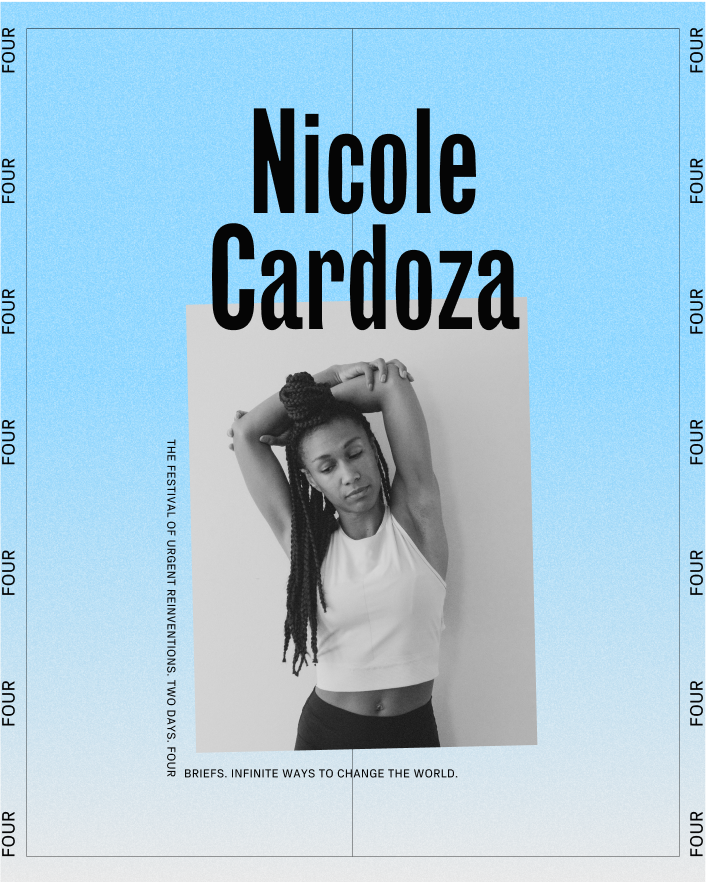
Designed a modular layout system with clear typographic hierarchy that carried across web, social, and physical surfaces.
Launched as a fully realized virtual festival, and organizers managed real-time updates with reduced production overhead.
Large-scale virtual events frequently break down as they scale. As content volume increases and contributors multiply, platforms become fragmented, navigation degrades, and visual systems collapse under real production pressure.
For F.O.U.R., the challenge was to design an experience that could support a multi-day festival with frequent updates, a growing number of speakers and submissions, and real-time content changes, all while maintaining clarity, hierarchy, and accessibility. The system needed to perform reliably under fixed timelines, unpredictable content, and cross-platform demands.
The platform served multiple participant groups with distinct needs:
Attendees needed clear orientation, intuitive navigation, and the ability to explore complex subject matter without cognitive overload. The experience prioritized discoverability and sustained engagement across multiple days.
Contributors required consistent, equitable presentation of their work within a crowded ecosystem. The system needed to support diverse content formats while preserving individual voice and visibility.
Organizers needed a framework that allowed rapid updates, schedule changes, and content promotion without breaking consistency or requiring manual redesign. Operational efficiency was critical.
Across all users, the primary goal was to create an experience that emphasized access, clarity, and participation while remaining resilient as scale increased.
The project was shaped by real-world production constraints that directly informed system design:
These constraints demanded a system optimized for flexibility, durability, and speed rather than idealized or bespoke layouts.
The design system was built to organize complexity without flattening expression.
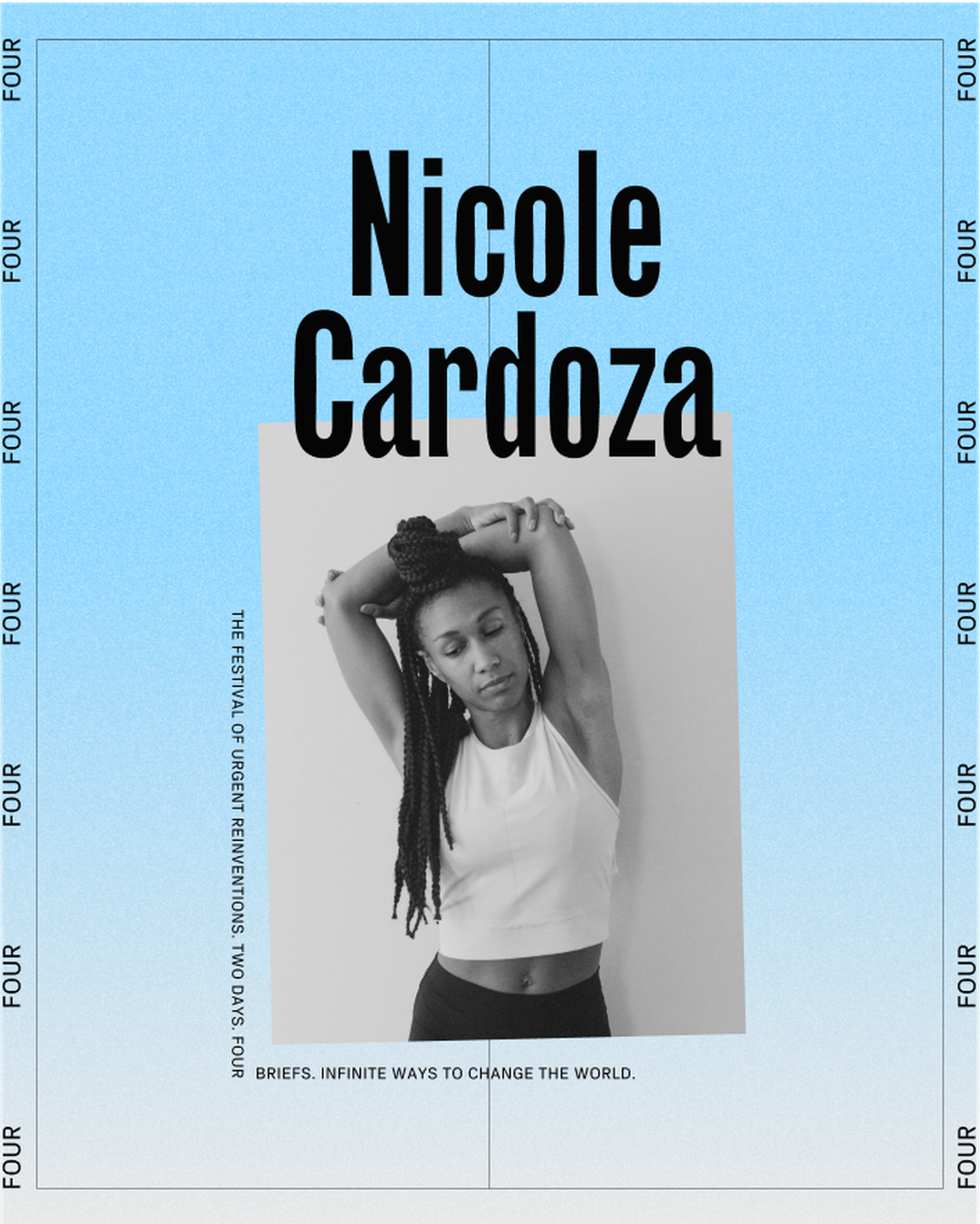
A modular layout system allowed content blocks to be rearranged, expanded, or replaced without disrupting hierarchy or legibility. This enabled rapid updates and supported unpredictable content growth.
Clear typographic structure, spacing, and scale established consistent reading order across all surfaces. Critical information surfaced immediately, while secondary content remained discoverable without visual noise.
Core components and layout logic translated consistently across digital and physical touchpoints. This reduced cognitive load for users and ensured recognition regardless of entry point.
Visual expression operated within defined boundaries. Color, motion, and graphic elements were applied systematically to preserve flexibility and reuse while maintaining emotional resonance.
All components were designed for longevity. The system could support future festivals, new themes, and expanded participation without requiring foundational changes.


F.O.U.R. launched as a fully realized virtual festival supporting live programming, contributor participation, and continuous content updates.
The project demonstrated how a system-first approach can sustain complex, advocacy-driven platforms beyond a single moment.
